Consciousness · Action · Relationships · 3 min read
Between what happened and what you'll do, there is a moment.
Automatic reaction versus chosen response. And what you can do in the moment between them.
Idan YakovTranslated from Hebrew
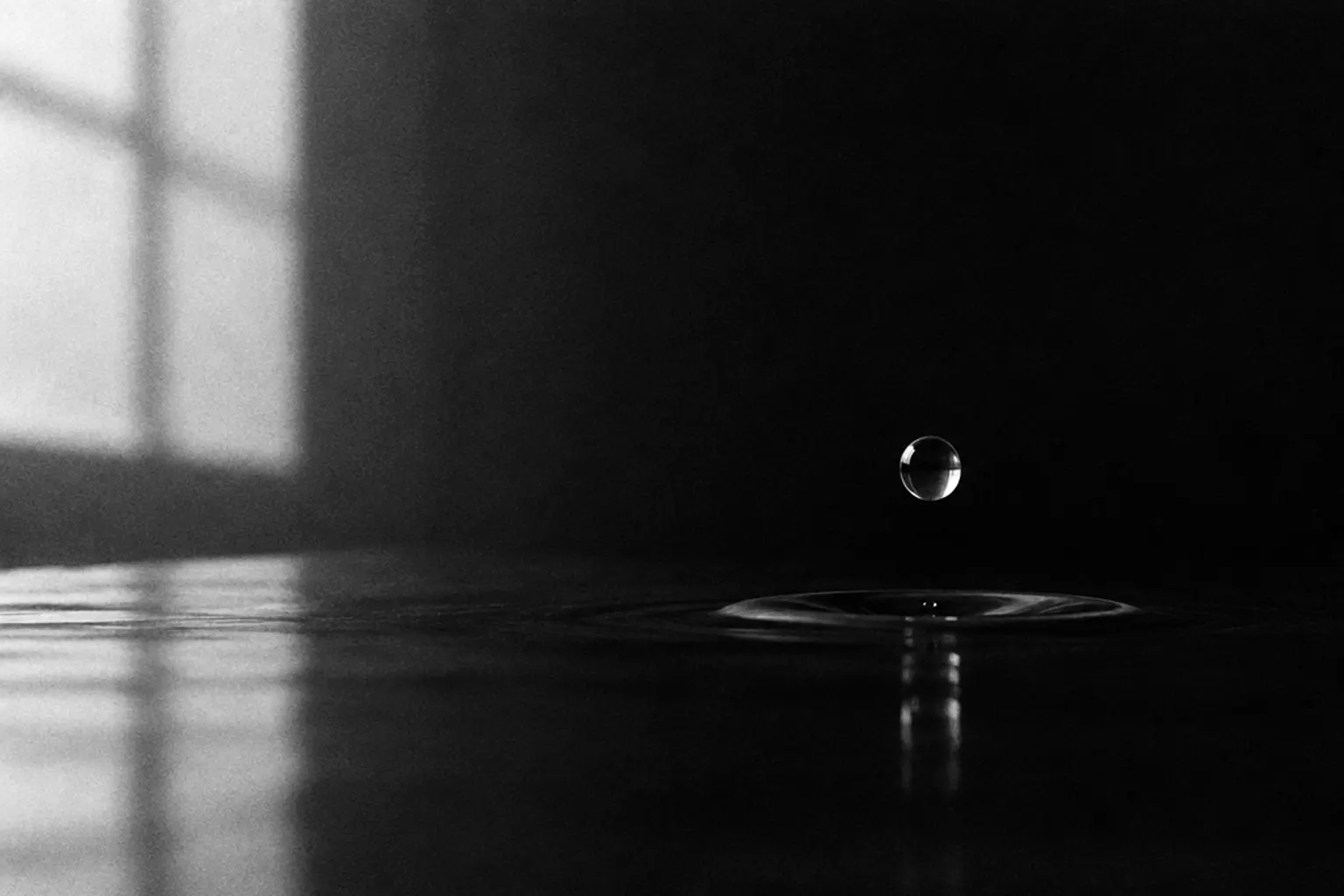
Every time you pause before reacting, that is already change.
The idea
Someone cuts you off on the road. A client answers dismissively. A partner says something hurtful. The automatic reaction is ready in advance: to get angry, to defend, to attack, to prove.
In our classes we call the moment before it the “pause”. The idea is simple: between the stimulus and the reaction there is a gap, however small, and inside it there is freedom to choose. In Kabbalah this connects to the idea of equivalence of form: trying to respond the way the good would respond, not the way the ego responds.
And a small trick that keeps coming back in the community: saying at that moment, even if it sounds strange, “what a pleasure.” Not because it's pleasant, but because exactly when something presses on a sore point, we have an opportunity to correct it.
How it shows up
The message sent in anger. The sentence said that can't be taken back. The decision made in the first minute, while the body is still burning.
An illustration (not a real client)
Imagine someone for whom “a moment of anger” used to burn a whole day. Today, meeting the same situation, it takes an hour. Sometimes a minute. Not because they stopped feeling, but because they started noticing earlier.
The paradox is that the pause looks like weakness, and in practice it is the greatest strength in a conversation.
You don't have to succeed every time. Catching yourself after the reaction is also progress. The next step is catching it in the middle. And after that, before.
In business
- Sales: don't answer an objection immediately. Pause, ask, and only then respond.
- Team: an employee's mistake that gets a response after a breath, not after an explosion.
- Difficult clients: the moment you can set a boundary instead of pleasing or attacking.
Practice
One question
In which recurring situation do I react fastest, and what would I like to do if I had three seconds?
One action
Today, the first moment something irritates you, stop for three breaths before any reaction. Just that.
About the source: this tool comes from the teaching of David Ghiyam, the teacher with whom Idan studies Kabbalah.
Go deeper: What is higher consciousness?
Read next
Consciousness · 2 min read
Pain is inevitable. Suffering is already a story.
The event hurts. Our interpretation of it is what turns a painful moment into a loop of weeks.
Consciousness · 2 min read
Higher consciousness isn't positive thinking.
Seeing more clearly, resisting reality less, recognising patterns faster, and acting anyway.