Money · Kabbalah · Business · 3 min read
Ma'aser in business: give before there's “enough”.
What Ma'aser, the tithe, means in Kabbalah, why the tenth goes out first, and how giving from the first line changes your relationship with money and with your business.
Idan YakovTranslated from Hebrew
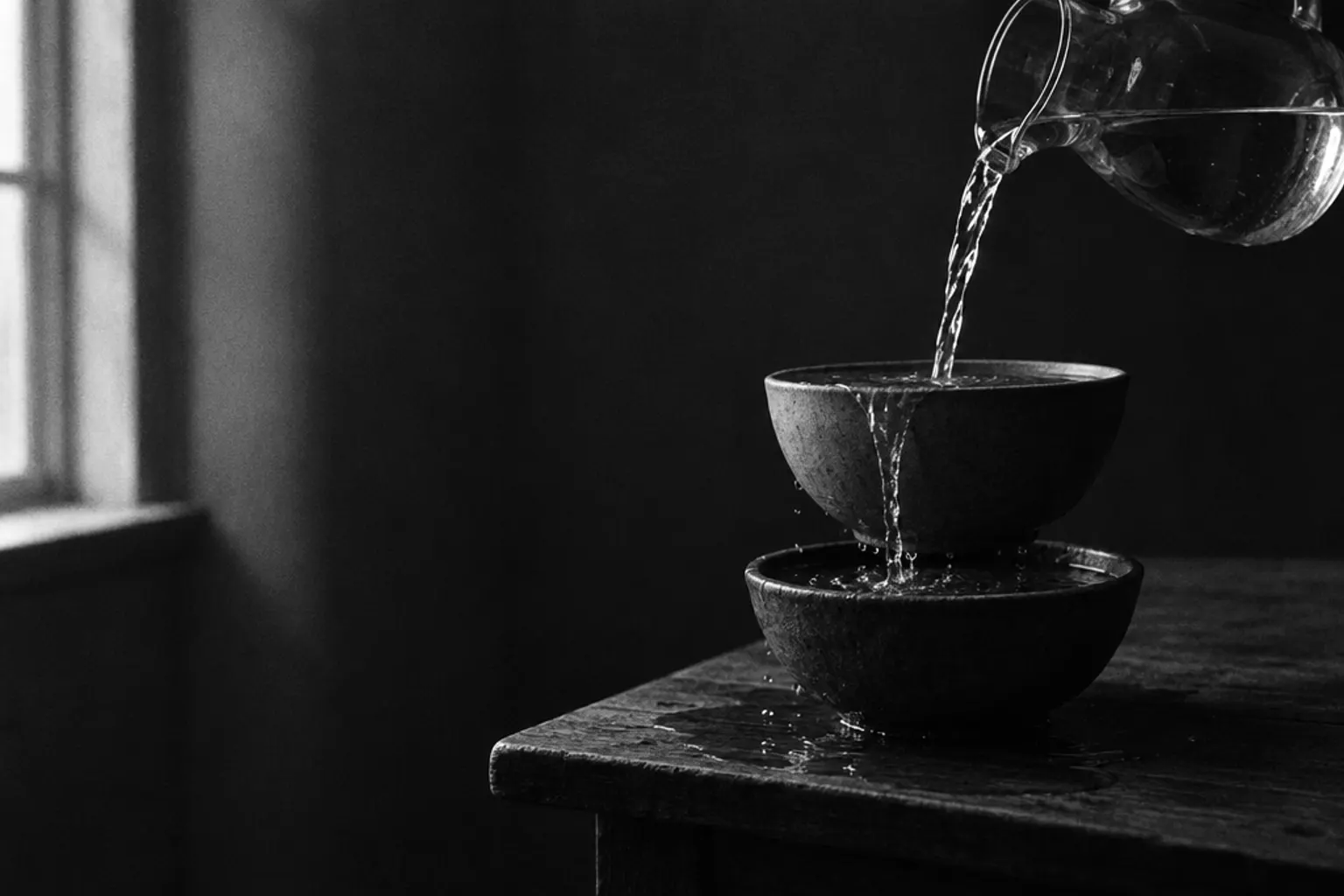
“Enough” always moves forward. Whoever waits for it in order to give never starts.
The idea
Ma'aser is a tenth of income that moves on: to charity, to people, to something bigger than you. In the Kabbalistic reading we teach, this tenth was never “ours” to begin with. It's the source's share within the income, and when you pass it on, you stay a channel rather than a swamp.
Most people plan to give “when there's enough”. But you reach 30 thousand a month, and “enough” is already at 50. Ma'aser reverses the order: you don't give from what's left, you give first. That way giving doesn't depend on the month's mood.
And that's what turns “receiving in order to give” from a nice sentence into an act. As Idan says in class: “I want to receive the client, this cheque, only so that I can pass it on.”
How it shows up
In the plan to give “when we reach…” that never comes true. In the feeling that every dollar going out is a risk. In giving that happens only in good months, and disappears in a weak one.
An illustration (not a real client)
A business owner decides he'll start donating when income passes a certain target. It passes it, and then a month comes with a big expense. He postpones. The next month, again. Two years later he finds the giving is still waiting for the month when it will be “convenient”.
The paradox is that whoever waits for more in order to give strengthens exactly the feeling that there isn't enough.
The shift is to turn giving from a monthly decision into a fixed habit: one percentage that goes out first, from every income, even a small one.
In business
- A tenth of income, before expenses, just like paying yourself first.
- Whoever can pass money on can also name a price, collect and accept appreciation. It's the same muscle.
- Ma'aser isn't an investment with a guaranteed return. It's a habit that widens the vessel you work from.
Practice
One question
Which “enough” are you waiting for before you start giving?
One action
Choose a small amount, a tenth of one income this week or less, and pass it on before you feel “ready”.
Read next
Kabbalah · 2 min read
Receive in order to give.
Receiving isn't selfishness. It is capacity: receiving more, holding more, creating more, giving more.

Money · 2 min read
Money is a tool. Not the source.
Money can buy access, security, options and influence. It can't be your identity.

Consciousness · 3 min read
Act from fullness, not from lack.
Exactly the same action can come from fear or from abundance. And people feel the difference.