Complete guide · 6 min read
The ten Sefirot (the Tree of Life): a simple explanation, in the soul and in business
What the ten Sefirot are in Kabbalah, how the tree of the Sefirot is built, what each Sefira describes in the human soul, and how to use them as a map to see where something gets stuck on the way from idea to reality.
Idan YakovTranslated from Hebrew
In short
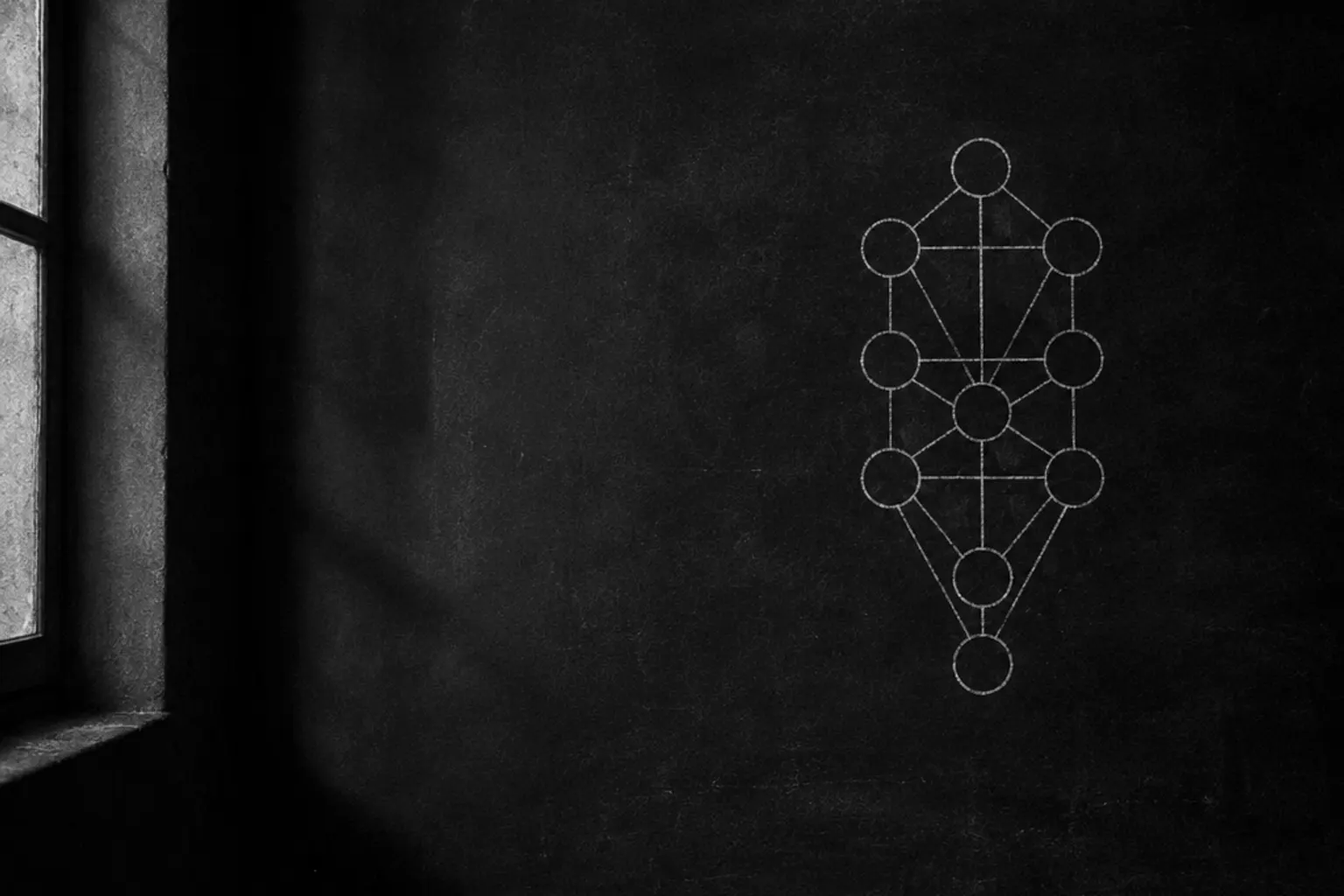
The ten Sefirot are ten qualities through which, according to Kabbalah, abundance passes from the source into the world: Keter, Chochma, Bina, Chesed, Gevura, Tiferet, Netzach, Hod, Yesod and Malchut. In the human soul they describe the path from will, through thought and emotion, to action. That's why they can be used as a map: to identify at which stage an idea gets stuck before it reaches reality.
What are Sefirot?
In Kabbalah, the Sefirot are the ways in which the light, the abundance, is revealed and passes from the source into the world. They aren't physical things and they aren't “parts” of God, but qualities: giving, boundary, balance, persistence, realisation.
The same qualities appear in the person. That's why one of the oldest and most interesting uses of the Sefirot is as a map of the soul: how will becomes thought, thought becomes emotion, and emotion becomes action.
Here we present the Sefirot as an applied map, in the Center's interpretation, not as an academic description of the sources.
How the tree of the Sefirot is built
The Sefirot are usually drawn as a “tree” in three lines. The right line is the line of giving and expansion (Chochma, Chesed, Netzach). The left line is the line of boundary and contraction (Bina, Gevura, Hod). The middle line is the line of balance that connects them (Keter, Tiferet, Yesod, Malchut).
From top to bottom, the tree can be divided into three groups. The three upper Sefirot, Keter, Chochma and Bina, are will and thought. The six that follow, from Chesed to Yesod, are the Middot, the attributes: emotion and movement in the world. And Malchut, the last, is realisation: the place where everything meets reality.
Some systems also include Da'at (knowledge), which is sometimes counted instead of Keter and relates to the connection between Chochma and Bina. Either way, the count is always ten.
The ten Sefirot, one by one
For each Sefira: its quality, how it appears in the soul, and what it looks like in business.
- Keter (crown)
- The highest will and identity. In the soul: who you choose to be. In business: the mission beneath the goal. You can reach the same goal from anxiety or from mission; the person who arrives is completely different. Read →
- Chochma (wisdom)
- The first flash, the possibility. In the soul: seeing something before there is proof. In business: the idea. Don't ask your past for proof of the future you want to create. Read →
- Bina (understanding)
- The understanding and development of the idea. In the soul: turning inspiration into structure. In business: the plan, the calendar, the process. Light without a vessel doesn't stay. Read →
- Chesed (loving-kindness)
- Giving and expansion. In the soul: creating from abundance. In business: the value you give, generosity, giving. Not being the end of the pipe. Read →
- Gevura (strength)
- Boundary, judgement and discipline. In the soul: the ability to say “no”. In business: price, deadline, framework. Chesed without Gevura scatters. Read →
- Tiferet (beauty)
- The balance between Chesed and Gevura, truth and heart. In the soul: both, without splitting. In business: an offer that is generous and also defined. Read →
- Netzach (endurance)
- Persistence and victory over time. In the soul: choosing again and again. In business: showing up even when there are no results yet. Read →
- Hod (splendour)
- Gratitude, humility and release. In the soul: acting without knowing everything. In business: letting go of control and trusting a process and people. Read →
- Yesod (foundation)
- Connection and foundation. In the soul: the beliefs beneath the result, and the relationships that hold it. In business: the relationship with clients and team, and the belief that “this is for me”. Read →
- Malchut (kingship)
- Realisation and action. In the soul: bringing everything else down to the ground. In business: how many calls, how many offers, how much money. Malchut is the test of everything else. Read →
The ten Sefirot in the human body
At the opening of the Tikkunei Zohar, in the passage known as Patach Eliyahu, the Sefirot are described as the limbs of one body: Chochma as the brain and Bina as the heart; Chesed as the right arm and Gevura as the left arm; Tiferet as the torso; Netzach and Hod as the two legs; Yesod as the completion of the body, the sign of the covenant; and Malchut as the mouth.
This image teaches something important: the Sefirot aren't ten separate things, but one person. When one is weak, the whole body feels it. And the same is true of a business: an unclear price (Gevura) harms giving (Chesed), and giving without persistence (Netzach) doesn't reach realisation (Malchut).
How to use the ten Sefirot as a map
The most practical use of the Sefirot is diagnosis: when something doesn't reach reality, ask where on the way it got stuck. A few examples:
An idea that never starts: maybe it's stuck in Bina. There is inspiration, there is no structure. The next step is a small plan in the calendar.
An offer that doesn't sell: maybe it's stuck in Gevura. There's no clear price, no framework. Or in Yesod: a quiet belief that “this isn't for me”.
Effort that stops after two weeks: Netzach. The solution isn't more motivation, but a small version you can do even on a bad day.
Overload and the feeling that everything is on you: Hod. Something is asking for release, trust, help.
And most important: don't work on all ten at once. One axis, one week, one action.
Read on: The ten Sefirot as a map for life and business. · What runs you inside shows up in the business in the end.
Practice: ten days, one Sefira a day
A simple way to get to know the Sefirot from the inside: one Sefira each day, from top to bottom, with one question to write a few lines about.
- Day 1 · Keter
- Who do you choose to be today, regardless of the results you'll get today?
- Day 2 · Chochma
- What do you see that doesn't exist yet?
- Day 3 · Bina
- Which of your insights hasn't been given a vessel yet?
- Day 4 · Chesed
- How much value can flow through you into the world?
- Day 5 · Gevura
- Where has “I'm going with the flow” become an excuse for you?
- Day 6 · Tiferet
- Where are you living split between the spiritual person and the business person in you?
- Day 7 · Netzach
- Which choice needs to be chosen again, and again, and again?
- Day 8 · Hod
- What do you demand an answer to before you agree to act?
- Day 9 · Yesod
- Where are you pressing the accelerator and the brake at the same moment?
- Day 10 · Malchut
- What can you show in the world today, not just say?
Frequently asked questions
What are the ten Sefirot?
Keter, Chochma, Bina, Chesed, Gevura, Tiferet, Netzach, Hod, Yesod and Malchut. These are the ten qualities through which, according to Kabbalah, abundance passes from the source into the world, and they also appear in the human soul.
What is the Tree of Life in Kabbalah?
The usual drawing of the ten Sefirot as a tree in three lines: a right line of giving and expansion (Chochma, Chesed, Netzach), a left line of boundary and contraction (Bina, Gevura, Hod), and a middle line of balance (Keter, Tiferet, Yesod, Malchut).
What is Da'at?
In some systems Da'at (knowledge) is counted among the Sefirot instead of Keter, and it relates to the connection between Chochma and Bina. The count always remains ten.
How are the Sefirot related to the human body?
In Patach Eliyahu in the Tikkunei Zohar: Chochma the brain, Bina the heart, Chesed and Gevura the two arms, Tiferet the torso, Netzach and Hod the two legs, Yesod the sign of the covenant and Malchut the mouth.
How do you use the Sefirot in everyday life?
As a map for diagnosis: when something isn't being realised, ask on which axis it's stuck, and choose one action that moves that axis forward.
Do you need prior knowledge to understand the Sefirot?
No. You can start from the simple explanation here and go deeper into each Sefira through the articles.
Articles to read next
The Sefirot · 3 min read
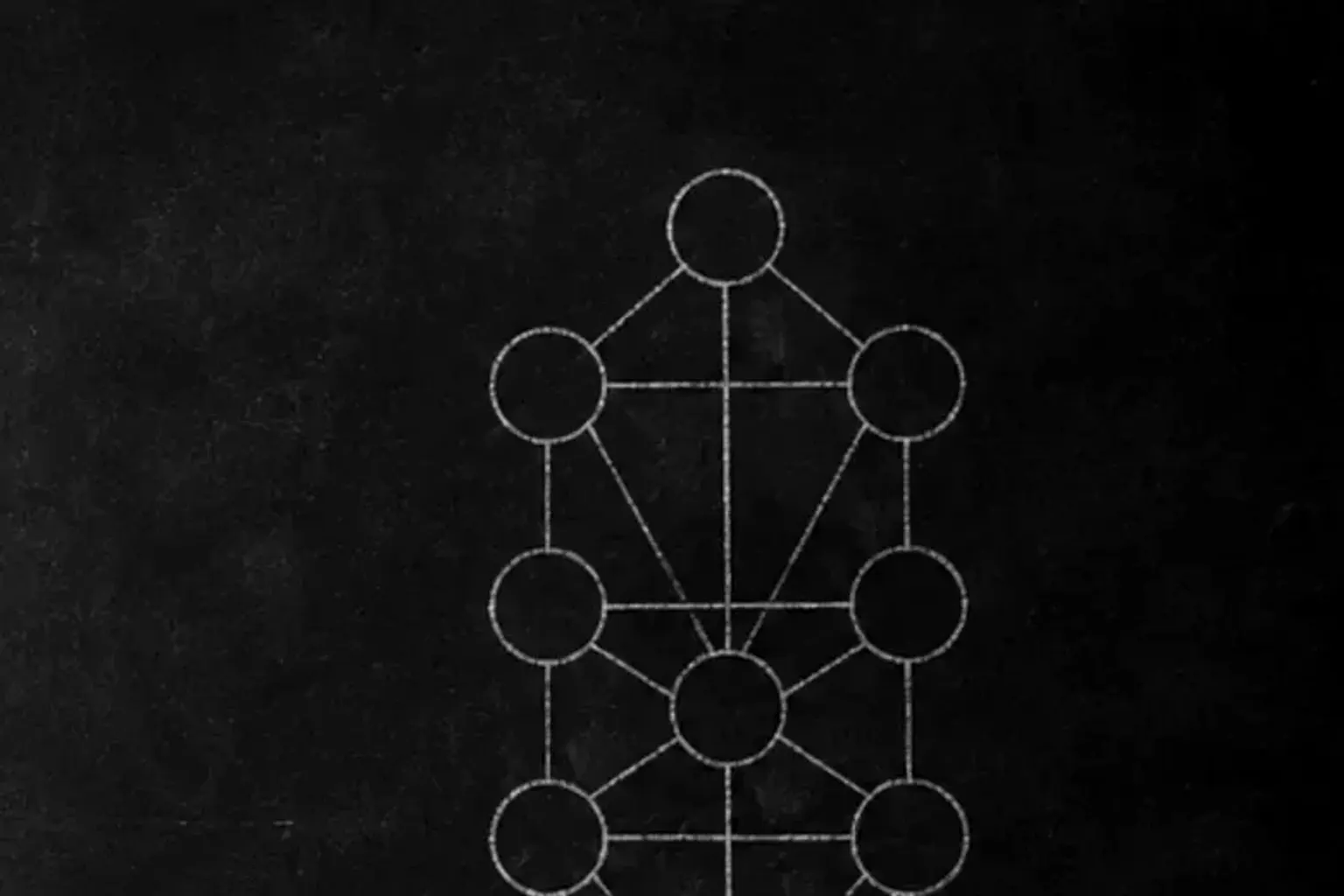
Keter: who you want to be when you arrive.
The highest Sefira: will, vision and identity. Why the same goal can feel completely different depending on the person who reaches it.
The Sefirot · 3 min read
Chochma: seeing something before there is proof.
The Sefira of the first flash: possibility, inspiration and creativity. Why your past isn't supposed to approve the future you want to create.
The Sefirot · 3 min read
Bina: light without a vessel doesn't stay.
The Sefira that turns inspiration into structure: clarity, planning and order. Why big insights disappear when they have no vessel.
The Sefirot · 3 min read
Chesed: not being the end of the pipe.
The Sefira of giving and abundance: openness, generosity and trust. And why Chesed without Gevura scatters.
The Sefirot · 3 min read
Gevura: the boundary that makes giving possible.
The Sefira of boundary, discipline and self-worth. A price, a deadline, collecting payment and “no” as an act of love, not harshness.
The Sefirot · 3 min read
Tiferet: stop splitting yourself.
The Sefira at the heart of the tree: balance between Chesed and Gevura, between truth and compassion. And why the goal isn't to be “more spiritual”.